
2026 Cannabis Trends: Insights From Cultivators That Dispensaries Should Know
As the cannabis industry matures, one thing is clear: cultivators are the earliest indicators of what’s coming next. From shifts in consumer behavior to production adjustments and pricing patterns, growers often see changes in demand months before they reach retail shelves.
In 2026, those signals are louder and more actionable than ever.
Below is a comprehensive, dispensary-focused breakdown of cannabis trends cultivators are preparing for in 2026—and how retailers can capitalize on them for better margins, stronger customer loyalty, and smarter product buys.
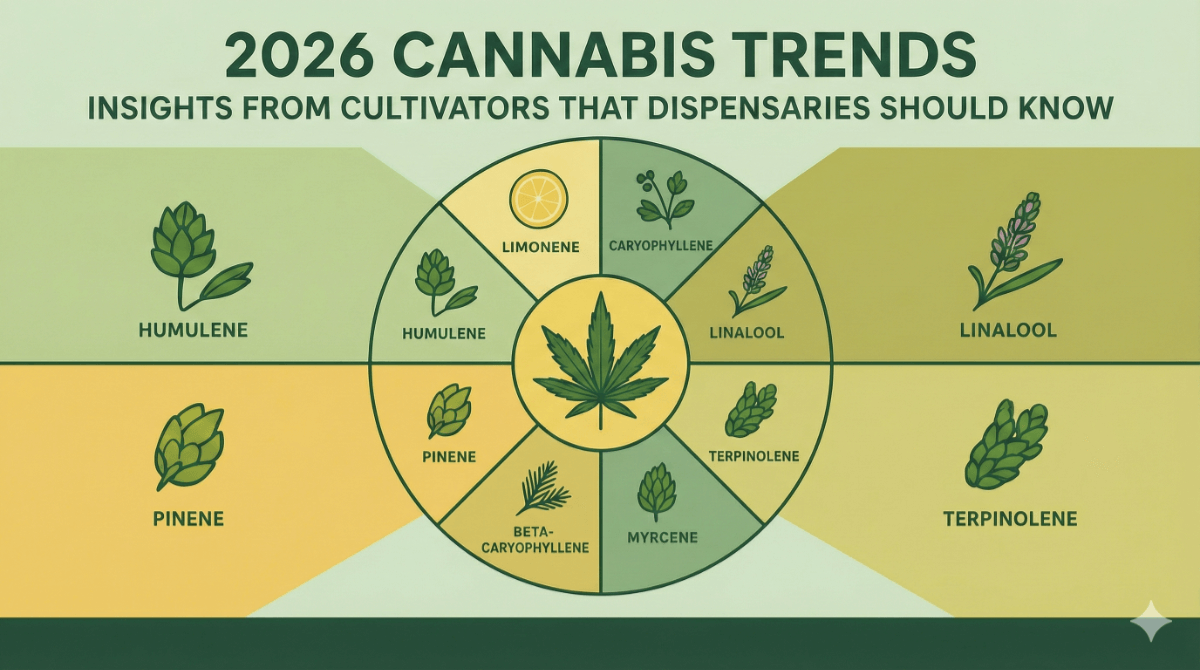
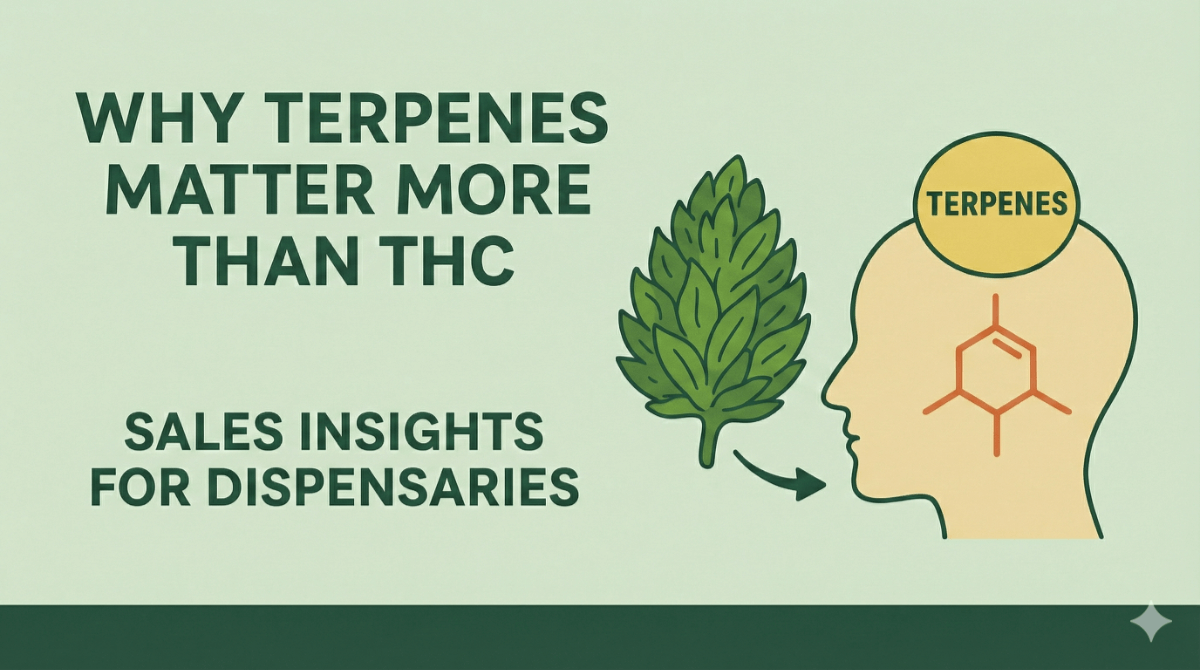
1. Terpene-Driven Purchasing Is Officially Outpacing THC Hunting
For years, cultivators have been reporting a shift away from THC fixation. But going into 2026, that shift is now a major production driver.
What growers are seeing:
High-terpene flower sells through faster than high-THC flower with weak aroma.
Cultivation teams are optimizing genetics not for THC potency, but for terpene expression, especially:
Myrcene
Limonene
Caryophyllene
Linalool
Terpinolene
Customers increasingly seek flavor-forward and effect-specific strains.
What this means for dispensaries:
Highlight terpene profiles on menus and product cards.
Train budtenders to recommend strains based on aroma and effect, not numbers.
Build terpene-focused collections (e.g., “Citrus Lovers,” “Relaxing Aromatics,” “High-Terpinolene Picks”).
2. Cultivators Expect New Strain Categories to Replace “Indica/Sativa/Hybrid” in Retail
Growers have been moving away from the outdated indica–sativa framework for years. In 2026, many cultivators are actively rebranding strains based on effect, lineage, and chemotype.
Emerging categories growers are using:
Fruit-forward
Dessert & bakery
Gas-heavy
Floral & herbal
Old-school classics
Exotic terpene hybrids
How dispensaries can get ahead:
Revamp menus to focus on aromas, flavors, and effects instead of the hybrid umbrella.
Use signage that matches how cultivators now describe their genetics.
Create educational content explaining why indica/sativa labeling is outdated.
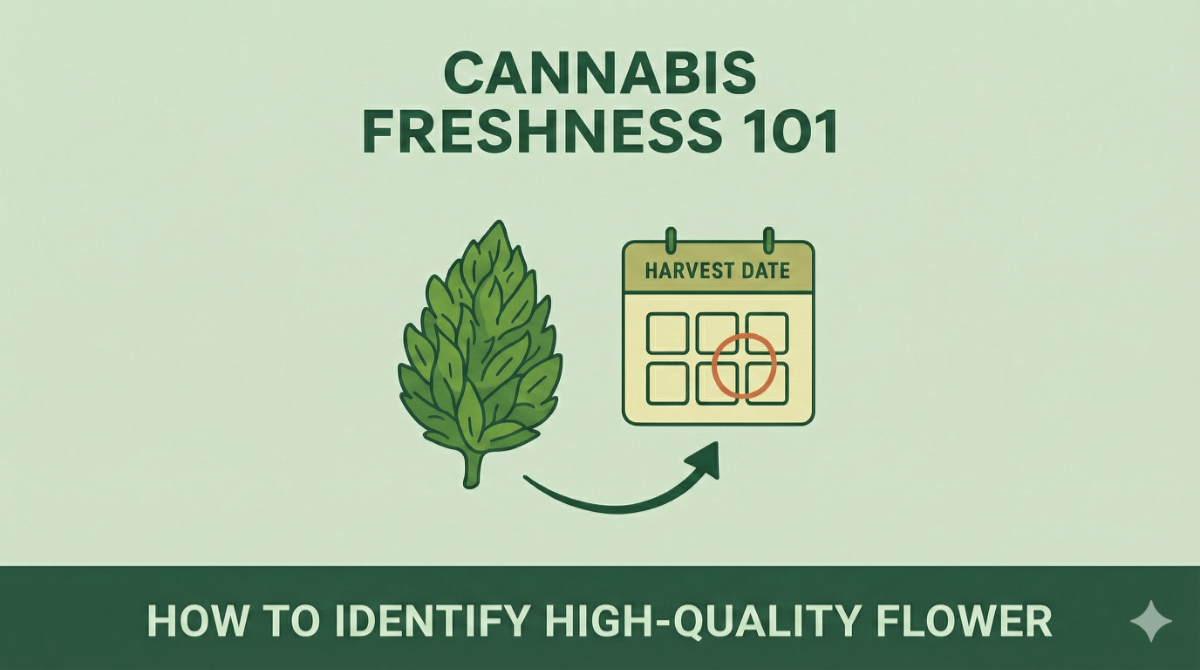
3. Demand for “Fresh Drops” Is Increasing—And Growers Are Responding
Freshness is now a leading buying factor, especially for premium flower. Cultivators are adjusting harvest cycles and packaging workflows to shorten the time from cure to shelf.
Trends growers report:
Retailers that highlight harvest dates are selling 25–40% faster.
Customers ask for strains they’ve seen in grower social posts.
Rotating “micro-seasonal drops” are becoming standard.
How dispensaries can capitalize:
Add harvest date filters to online menus.
Promote “Fresh Drop Fridays” or “Just Harvested” features.
Build a fresh-drop notification list via SMS or loyalty programs.
4. Price Segmentation Is Widening: Premium and Value Are Booming—Mid-Tier Is Shrinking
Cultivators report the mid-shelf category is struggling, while premium craft and budget-friendly options dominate.
Why growers say this is happening:
Premium buyers want quality, unique genetics, and high terpene content.
Budget buyers want ounces or large-format value packs.
Mid-shelf products don’t offer a compelling reason to choose them.
Dispensary strategies:
Reduce mid-tier SKUs and increase value ounces and premium eighths.
Create two-way loyalty offers:
Premium members get early access to craft drops.
Value shoppers get weekly deals on bulk flower.
Work with cultivators to brand value lines separately for clarity.
5. “Plant Health Transparency” Is Becoming a Selling Point
Cultivators are increasingly open about their processes:
Living soil practices
Slow cold cures
Pesticide-free IPM strategies
Organic-style feeding schedules
Environmental sustainability steps
Consumers love transparency, and growers are leaning into it.
How dispensaries can leverage transparency:
Add grower stories to product pages.
Use QR codes linking to cultivation videos or SOP overviews.
Highlight sustainability badges or certifications.
6. Cultivators Expect “Effect-Based Shopping” to Dominate 2026
Growers have noticed significantly increased demand for flower and concentrates targeted to specific functional outcomes, such as:
Better sleep
Improved mood
Creativity
Focus
Social energy
Calm without sedation
Certain terpene/expression patterns (e.g., pinene for focus, myrcene for relaxation) are being bred intentionally into new genetics.
What dispensaries should do:
Create effect-driven displays like “Good Vibes,” “High Focus,” or “Sleep Tight.”
Group SKUs across categories (flower, vapes, edibles) by effect.
Offer mini printed effect guides for customers.
7. Consistency Is Becoming a Top Priority for Cultivators—and Retailers Benefit
Growers are investing in automation, environmental control, and tighter SOPs so they can produce reliable batches year after year.
Cultivator improvements include:
AI-assisted climate control
Precision fertigation systems
Strain-specific cultivation SOPs
Batch tracking improvements
Why this matters for dispensaries:
Consistent flower means repeatable customer experiences, reducing return rates.
Retail buyers can trust certain cultivators for predictable sales.
Dispensaries can advertise “Always Consistent—Same Effects, Every Batch.”
8. New Wave of “Experience-Driven” Genetics Is Coming in 2026
Breeders are developing strains that go beyond traditional effects—lines engineered for:
Longer-lasting highs
Cleaner comedowns
Nostalgia experiences (think Skunk, OG, and early 2000s genetics)
Flavor-first profiles with exotic terpenes
Color-forward flower trending again (deep purples, lime greens, golden hues)
How dispensaries can prepare:
Watch for breeder collabs and limited genetic releases.
Build early relationships with growers producing cutting-edge strains.
Train staff on cultivar lineage and consumer experience notes.

9. Cultivators Expect Strong Growth in Pre-Rolls—Especially Premium & Infused
Across nearly all cultivation facilities, pre-roll demand is skyrocketing. But not all categories are growing equally.
Highest-growth segments:
Premium single-strain flower pre-rolls
Infused pre-rolls with live resin or hash
Multi-packs for convenience shoppers
How dispensaries can stay competitive:
Offer premium pre-roll bars featuring “this week’s strains.”
Merchandise pre-rolls near checkouts for impulse buys.
Provide effect-based infused options (uplifting, relaxing, balanced).
10. Wholesale Partnerships Are Becoming More Strategic and Less Transactional
Growers report that dispensaries relying on one-off purchases tend to struggle with consistency and inventory flow.
Trends in 2026 wholesale relationships:
Dispensaries want reliable supply and stable pricing.
Growers want long-term relationships with predictable demand.
Co-branded partnerships are rising in popularity.
How dispensaries can leverage this:
Build recurring purchase agreements for top-selling SKUs.
Collaborate on promo calendars tied to fresh drops.
Offer growers shared social campaigns or in-store takeovers.
Final Thoughts: 2026 Will Reward Educated, Strategic Dispensaries
Cultivators are signaling one clear message: the retailers that win in 2026 will be the ones who understand how cannabis is actually grown, cured, and brought to market.
Dispensaries that embrace terpene education, fresh-drop cycles, premium/value segmentation, and effect-based shopping will see:
Higher margins
Faster inventory turnover
Better customer loyalty
Stronger supplier relationships
Whether you’re revamping your menu strategy or optimizing your product mix, the insights from cultivators in 2026 offer a roadmap to thrive in a competitive market.
